In the modern industrial landscape, groundwater has transitioned from a supplemental resource to a critical backbone of manufacturing and commercial operations. As global water scarcity intensifies, the demand for sophisticated commercial groundwater filtration manufacturers has surged. Enterprises are no longer just looking for filters; they are seeking integrated water security solutions that ensure ESG (Environmental, Social, and Governance) compliance while optimizing operational costs.
Purchasing industrial-grade water filtration systems involves more than just selecting a vendor. It requires a deep dive into the technological roadmap of the factory. From membrane separation to advanced oxidation processes (AOP), the variability in groundwater quality necessitates customized designs. Procurement leaders must evaluate manufacturers based on their ability to offer "Information Gain"—the capacity to provide specific, data-backed insights into how their systems will handle local contaminants, such as heavy metals, TDS (Total Dissolved Solids), or emerging organic pollutants.
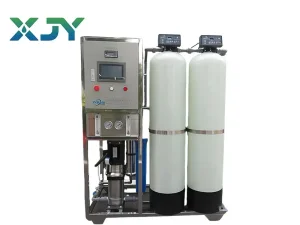
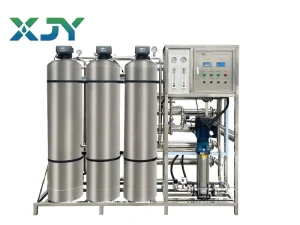
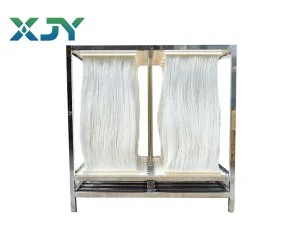
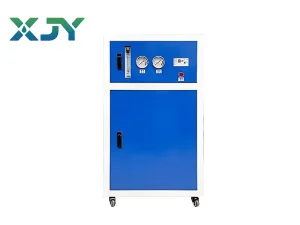
High-flux RO membranes and nanofiltration are revolutionizing efficiency in groundwater recovery, significantly reducing energy consumption.
Modern factories now integrate IoT sensors that predict fouling patterns, shifting maintenance from reactive to predictive.
Transitioning toward closed-loop systems that prioritize zero liquid discharge (ZLD) to minimize environmental impact.
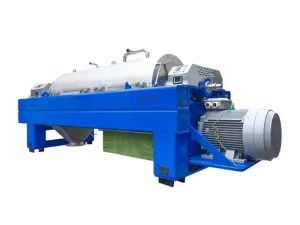
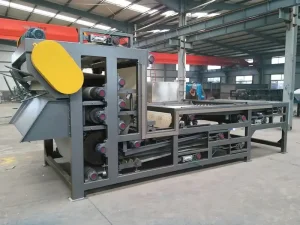
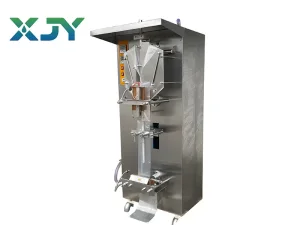
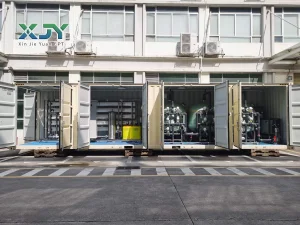
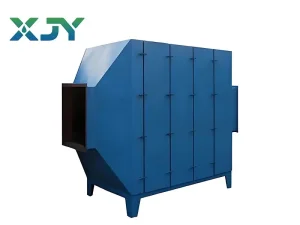
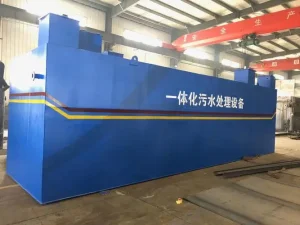
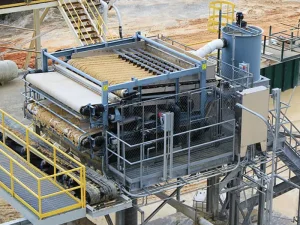
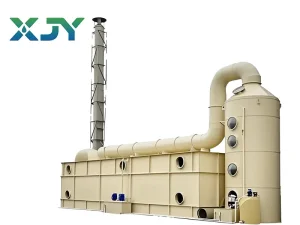
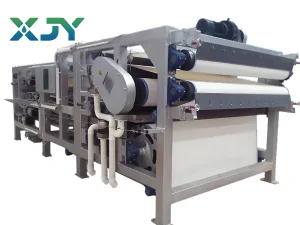
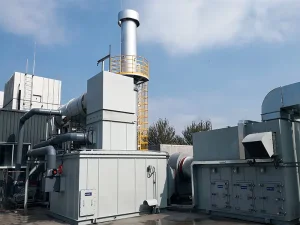
Guangdong Xinjieyuan Environmental Protection Technology Co., Ltd. stands at the forefront of this industry. Specializing in environmental protection equipment research, development, and manufacturing, the company has established a comprehensive service ecosystem. Their expertise spans water treatment, waste gas treatment, and sewage sludge treatment.
Why industry leaders trust Xinjieyuan:
A: Look for manufacturers that provide a "Total Water Management" solution rather than just hardware. Check their patent portfolio, R&D capabilities, and their experience with your specific industrial niche (e.g., food processing vs. chemical manufacturing).
A: The shift is clearly toward high-efficiency RO systems, energy recovery devices, and AI-enabled control systems that ensure consistent water quality despite influent fluctuations.
A: Yes, the company focuses on multi-dimensional service capabilities, adapting designs to local water standards, power requirements, and operational conditions globally.
 XINJIEYUAN